



Date:
Mon, 13/04/2026
Lecturer:
Dr. Nir Feinberg
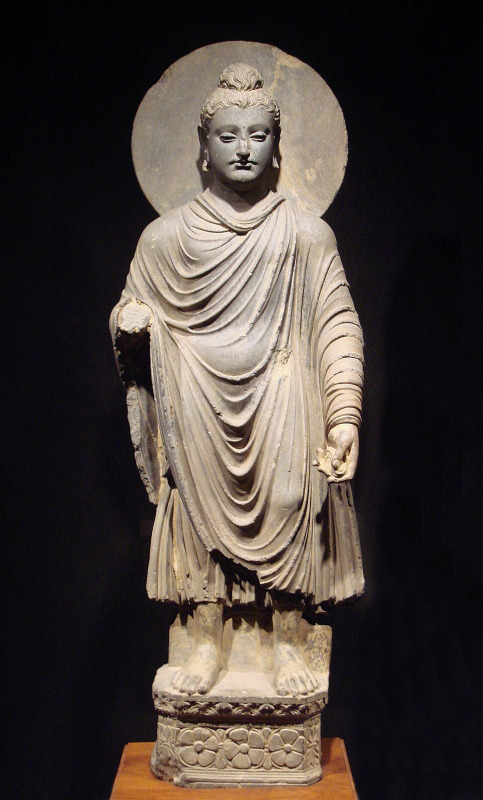
In his presentation titled The Buddha's Debt to His Father: Reading the Life of the Buddha in Medieval China, Nir explored the Buddhist conception of filial piety in the fifth-century Chinese translation of Aśvaghoṣa's widely influential poem, the Life of the Buddha (Buddhacarita/Fo-suo-xing-zan 佛所行赞). Focusing on the literary portrayal of the Buddha repaying his father Śuddhodana through the "offering of Dharma" (fa-gong-yang 法供養), he examined the dual achievement of liberating one's parents while simultaneously freeing oneself from the burden and guilt of filial debt. Through a close reading of the poem's nineteenth canto, Nir uncovered how the Chinese translation of the Life of the Buddha fuses classical Indian notions of debt (ṛṇa) with traditional Chinese ethical concepts, appealing to both Buddhist audiences and medieval readers with Confucian sensibilities. The presentation also offered insights into a premodern literary representation of the relationship between Śākyamuni Buddha and King Śuddhodana, unpacking a complex Buddhist ideal of the father-son bond.